Strategic Plant Arrangements for a More Secluded Outdoor Retreat
Creating a tranquil and private outdoor sanctuary involves more than just placing a few plants randomly in your garden. Strategic plant arrangements are essential for transforming any backyard or patio into a secluded retreat where you can unwind, entertain, and enjoy nature away from prying eyes. Whether you're working with a small urban backyard or a large countryside garden, learning how to use living screens, layered plantings, and thoughtful landscaping will maximize both privacy and beauty in your outdoor space.
Why Privacy Matters in Outdoor Spaces
With urban density on the rise and homes being built closer together, personal outdoor privacy has become a premium feature for homeowners. A well-arranged garden not only shields your retreat from neighbors and street views, but also helps reduce noise, filter dust, and create a sense of calm separation from the hustle and bustle of everyday life. Outdoor privacy solutions using plants offer natural barriers that are sustainable, attractive, and eco-friendly.
Main Approaches to Secluded Outdoor Retreats
Before diving into plant selections and layout patterns, it's helpful to understand the main methods for achieving privacy:
- Green Walls and Hedges: Dense, tall plantings that act as living fences or walls.
- Layered Plantings: Combined use of trees, shrubs, and groundcovers for multi-level screening.
- Strategic Placement: Positioning plants at focal privacy points such as seating areas, windows, or property lines.
- Container Gardening: Using large planters with tall or bushy plants for patios and balconies.
Choosing the Right Plants for Privacy
Plant selection is critical to the success of secluded garden retreats. Different species offer varying levels of privacy, maintenance requirements, and visual interest throughout the year. Here are key factors to consider:
- Height: Select plants that reach the desired screening height.
- Evergreen vs Deciduous: Evergreens provide year-round privacy; deciduous plants may offer seasonal variation and let in winter light.
- Growth Rate: Fast-growing species quickly establish privacy but may require more maintenance.
- Climate Suitability: Choose plants that thrive in your region for healthy, robust screens.
- Maintenance Needs: Consider pruning, pest control, and growth habits.
Best Plant Choices for Privacy Screening
Below is a list of popular plants used for creating strategic privacy through outdoor plant arrangements:
- Arborvitae (Thuja): A classic evergreen hedge that grows tall and narrow.
- Bamboo (Phyllostachys or Bambusa): Extremely fast growing; best in containers to prevent spreading.
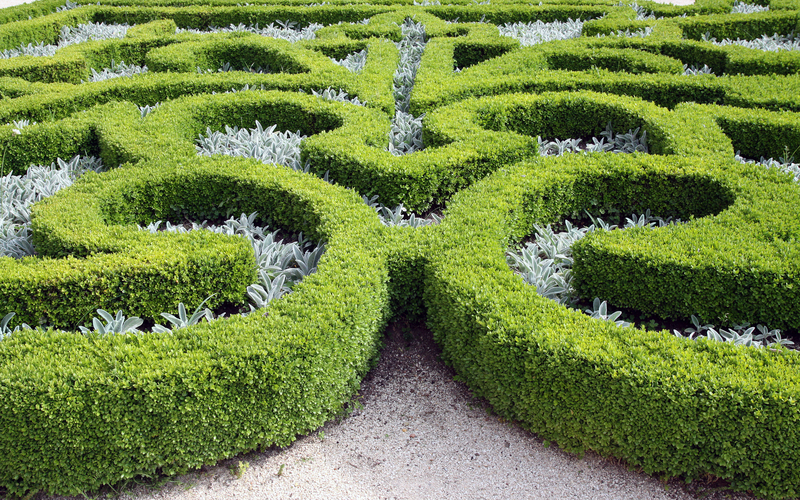
- Boxwood (Buxus): Densely planted for formal, low hedges; can be shaped.
- Clumping Grasses (e.g., Miscanthus, Pampas): Tall, flowing screens with seasonal interest.
- Holly (Ilex): Spiky, evergreen leaves provide excellent privacy and security.
- Photinia: Glossy leaves with colorful new growth; tolerates shaping and pruning.
- Evergreen Magnolias (Magnolia grandiflora): Glistening leaves and large flowers; ideal for southern climates.
- Laurel (Prunus laurocerasus): Large-leaved evergreen known for rapid growth and density.
- Privet (Ligustrum): Traditional fast-growing hedge plant.
Design Principles for Strategic Plant Arrangements
Arranging plants for maximum privacy requires careful planning. Landscape design for secluded retreats relies on blending functional screening with pleasing aesthetics.
1. Layered Privacy Planting
One of the most effective techniques is layering plants of varying heights and densities. Start with tall backbone trees or hedges along property borders for primary screening. Add medium-height shrubs in front, then finish with low groundcovers or ornamental grasses to soften edges. This tiered arrangement mimics natural woodlands, creates depth, and allows for more diverse plantings.
2. Living Walls and Trellises
When space is at a premium, verticality is key. Install trellises, fence panels, or pergolas and train climbing plants like Clematis, Honeysuckle, Jasmine, or Ivy to create instant green walls. Vertical screens work well near patios, balconies, and decks for immediate, eye-level privacy.
3. Strategic Gaps and Sightlines
Effective privacy plant arrangements also consider the main viewpoints into your retreat. Assess where your space is most exposed--such as near a neighbor's window or the road. Place the densest screening plants precisely in these areas, while leaving less-obstructed zones open for access, views, or sunlight.
4. Curved vs Straight Planting Lines
While straight lines of hedges create a formal look, curved or staggered arrangements soften boundaries and appear more naturalistic. Curves also increase the effective thickness of screens and add visual intrigue, guiding visitors through the landscape.
Creative Planting Ideas for a Secluded Outdoor Retreat
Beyond basic hedges, many creative techniques can enhance privacy and seclusion in your garden or outdoor living space.
Secret Gardens and "Garden Rooms"
Use plants to carve out intimate nooks separated from the rest of your garden. Layer tall hedges, flowering shrubs, and arching trees to create private "rooms" for reading, meditation, or romantic dinners. Add an arched trellis or vine-covered arbor for a sense of enclosure and discovery.
Wildlife-Friendly Screens
Secluded outdoor retreats can also serve as wildlife habitats. Choose native plants and shrubs with berries, flowers, or dense branches to attract birds, butterflies, and pollinators. Planting a mixed hedge of native species creates a living barrier that supports biodiversity and seasonal interest.
Evergreen and Deciduous Combinations
Mixing evergreens and deciduous plants offers the best of both worlds: year-round coverage with dynamic seasonal changes. For example, plant a tall line of evergreens as a backdrop, interspersed with flowering dogwoods, redbuds, or lilacs for spring and summer blooms.
Container Planted Screens
For patios, decks, and balcony spaces, large pots filled with bamboos, tall grasses, or small conifers provide instant, portable privacy. Arrange containers in clusters and vary plant heights for maximum coverage. Strategic plant placement in containers is perfect for renters or those who want flexibility.
Sound and Light Barriers
Densely planted hedges, especially coniferous species or thick-leaved evergreens, help dampen street noise and deflect harsh lighting from neighboring properties or roads. In urban environments, thick plant screens can transform an outdoor space into a peaceful oasis.
Step-by-Step Guide: Planning Your Secluded Retreat
To create your own private green haven, follow these strategic steps:
- Assess Your Space: Identify key privacy points, sun and wind patterns, and existing hardscape features.
- Define Goals: Decide if your priority is screening, noise reduction, wildlife habitat, or all of the above.
- Select Plants: Use climate-appropriate, non-invasive species that fit your desired maintenance level and aesthetics.
- Map Out Layouts: Sketch a design with layered planting zones, focal screening plants, walkways, and open areas.
- Prepare the Site: Improve soil, address drainage, and mark planting lines.
- Plant Strategically: Start with largest trees or hedge plants at the rear, then add mid-layer shrubs and finishing groundcovers.
- Add Finishing Touches: Include seating, lighting, water features, and paths to enhance relaxation and usability.
Maintenance Tips for Lasting Privacy
A secluded retreat is most enjoyable when it's easy to maintain. Here's how to keep your privacy plant arrangements healthy and effective:
- Regular Pruning: Shape hedges and screens to encourage dense growth and maintain clean lines.
- Mulching: Apply organic mulch to retain moisture and suppress weeds around plant bases.
- Watering: Ensure screens are well established with deep, infrequent watering--especially in the first two years.
- Pest and Disease Monitoring: Select resilient species and check regularly for damage.
- Seasonal Feeding: Fertilize with balanced formulas to promote healthy growth and new foliage.
Frequently Asked Questions About Plant Arrangements for Outdoor Privacy
What are the fastest-growing plants for privacy?
Bamboo, leyland cypress, laurel, and privet are among the quickest to form dense screens. However, always consider containment, as certain types can become invasive.
Can I create privacy on a balcony or rooftop?
Absolutely. Use large containers with tall grasses, dwarf conifers, or climbing vines trained on freestanding trellises for instant screening.
How wide should a privacy screen be?
For most hedges, plant 2-4 feet apart for a solid line. For layered screens, allow 4-8 feet for transition zones between trees, shrubs, and perennials.
Should I use only evergreen plants?
While evergreens give year-round privacy, mixing evergreens with deciduous, flowering, or berry-bearing shrubs boosts seasonal beauty and wildlife value.
Conclusion: Enjoy the Benefits of a Thoughtful, Secluded Outdoor Retreat
Crafting a private outdoor retreat through strategic plant arrangements adds tangible value to your home and well-being. Not only does it shield you from the outside world, but it also creates a living work of art that evolves through the seasons. With careful planning, the right plant choices, and a layered approach, your backyard can become a sanctuary for rest, relaxation, and connection with nature.
Start small--plant a hedge, cluster a few containers, or train some vines--and watch as your garden transforms into a peaceful, secluded enclave you'll cherish for years to come.