Tree Surgeon London

Tree Surgeon London provides practical tree surgery in London for homeowners, landlords and property managers who need careful, well-planned work on established trees, boundary growth and overhanging branches. Our main focus is straightforward: reduce risk, improve structure and manage tree size with methods suited to the tree and the site. That can include crown work, sectional removal, stump work and related garden clearing, all carried out with an eye on access, nearby features and the condition of the tree itself.
Tree work is rarely just a matter of cutting back growth. A good result depends on the tree species, the season, the shape of the canopy, whether the tree is protected, and what sits beneath or around it. In busy parts of London, the right approach also needs to consider fences, sheds, pathways, driveways, rear access and neighbouring boundaries. We keep the service focused on safe, tidy and proportionate tree care, rather than unnecessary intervention.
If you need help with a single tree, a line of mature trees or a garden that has become difficult to manage, start by choosing the most relevant service page below, then request a quotation when you are ready. You can also use the plain-text enquiry route at the end if you prefer a simple first step.
Tree surgery services for London properties
Our tree surgery work covers the common jobs that keep residential and commercial green spaces manageable. That includes trimming growth that is pressing against structures, reducing weight where a canopy has become too broad, and removing trees that are no longer suitable for the space. We also handle stump grinding and stump removal so that a finished job leaves the ground ready for replanting, resurfacing or general garden use.
Where a tree only needs managed reduction rather than removal, we can shape the crown to improve light and balance while preserving the tree wherever that is appropriate. Where a tree is unsafe, badly positioned or failing, the solution may be more direct. Our tree surgeon service page is the clearest starting point if you want to compare the main work we provide and decide which option best suits your site.
For larger clearances, mixed vegetation or overgrown garden areas, the tree work may be combined with other outdoor maintenance. The most useful choice is often the one that matches the actual condition of the site rather than the idea of a one-size-fits-all job. If you are unsure whether you need pruning, removal or stump treatment, a brief description of the tree, location and access is usually enough to begin. See pricing and quotes when you want to understand how an enquiry is typically put together.
Tree cutting, reduction and removal
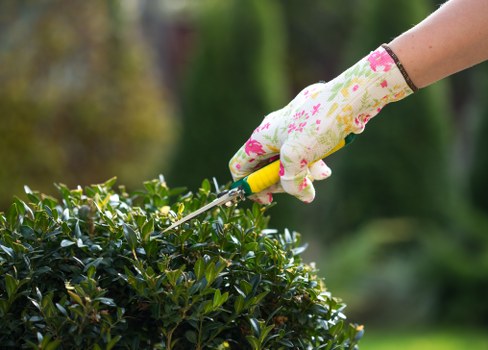
Tree cutting is often requested for practical reasons: branches may be shading a garden, rubbing against a roofline, interfering with satellite signals or making routine maintenance difficult. In those situations the work needs to be judged carefully so that the tree is improved rather than simply made smaller. Cutting too hard can leave awkward regrowth, while leaving too much can fail to solve the original issue. Our aim is to match the amount of work to the actual problem.
Where a tree has outgrown its place, selective reduction may be the most suitable response. In other cases, removal becomes the more sensible route, especially if the tree is declining, structurally unsound or crowding a part of the property where it no longer fits. Tree cutting service information is useful if you want a more direct look at this type of work before asking for a quotation.
When a full removal is required, the method can vary depending on the size and position of the tree. A tree beside a boundary or near hard surfaces often needs a more controlled approach than a tree standing freely in an open area. The point is not to rush toward the biggest intervention, but to choose the smallest practical one that still deals with the problem properly. Tree lopping and removal is one route for readers who want that combined service explained in one place.
Stump grinding and stump removal
Once a tree has been taken down, the remaining stump can still cause inconvenience. It may obstruct mowing, get in the way of replanting or continue to send up shoots. Stump work is therefore often the last part of a tidy tree project, but it is also one of the most useful if you want the area to return to normal use. Grinding is generally chosen when the aim is to reduce the stump below ground level with minimal disturbance.
Stump removal can be a stronger solution where the root section needs to be taken out more completely or where the site is being prepared for a new layout. The right option depends on what happens next: new turf, a border, a path or simply a clean patch of ground. For a focused description of this stage of the job, visit stump grinding or stump removal depending on the finish you need.
Some customers only realise the value of stump work after the main tree has gone and the garden still feels unfinished. In practice, completing the stump stage can make the difference between a temporary clearance and a lasting improvement. It also reduces the visual reminder of the old tree, which matters where the site is being replanted or made ready for another use. If you are comparing options, keep the long-term purpose in mind rather than only the immediate cut.
Garden clearance and wider outdoor work

Tree surgery often sits alongside broader garden clearance, especially where branches, brash, roots and general green waste have built up over time. A garden can become awkward to use long before a tree becomes dangerous, so clearance work is often about recovering access and making future maintenance easier. This is especially relevant in London gardens where narrow side access or limited storage space can make accumulation more noticeable.
Where needed, we can also support the tree work with related garden services that help bring the whole site back into shape. That may include cutting back thick growth, clearing unwanted vegetation and tidying areas that have become difficult to manage after a long period of neglect. Garden clearance is a useful page if you want to see how larger outdoor clearances are approached as part of a practical service.
Sometimes the most suitable answer is not a complete tree removal, but a combination of pruning and clearing around the tree so that the garden functions better. That approach can preserve useful planting while removing the obstacles that cause most of the frustration. It also means the work can be staged sensibly if access is tight or if several areas of the property need attention in sequence.
Boundary trees, hedges and adjoining gardens
Many enquiries about tree surgery in London are really about boundary pressure: branches overhanging a neighbour’s side, roots affecting a lawn edge, or a tree canopy reaching into a shared visual line. These situations benefit from measured work because the tree may still be worth keeping, even when it has become too dominant for the space. Careful cutting can improve coexistence between the tree and the rest of the garden without over-correcting.
Our related garden tree and hedge pages may be useful where the issue extends beyond a single specimen. If the job includes general screening, shape management or the maintenance of tall boundary planting, hedge trimming can sit naturally alongside tree work. For customers who want a wider landscaping view, landscaping gives a broader picture of how outdoor areas can be brought into better order.
When a tree sits close to a fence or wall, the work usually needs a more careful conversation about shape, access and finish. A balanced reduction can protect the look of the garden and reduce future conflict with adjoining spaces. The best result is not always the smallest tree; it is the one that fits the site, respects the structure around it and remains realistic to maintain afterwards.
What helps us assess the job
To prepare a useful quotation, it helps to know what sort of tree is involved, how many stems or trunks are present, and whether the work is likely to be pruning, dismantling or stump treatment. A short description of access matters too, especially where there are side gates, level changes or limited space for equipment. If you can explain what the main concern is - size, shade, safety, damage or clearance - the recommendation can be more accurate.
Photographs can be useful, but they are not the whole story. A clear view of the canopy, the trunk and the surrounding area usually makes it easier to judge the scale of the task, while notes about nearby buildings, sheds or hard surfaces help avoid surprises. About us is available if you want background on the business, though for most customers the main priority is simply finding the right service and getting a sensible quotation.
For a smooth start, keep the enquiry focused on the work that actually needs doing rather than on a long list of general garden concerns. That helps us separate the tree surgery from any broader maintenance that may be better handled in another stage. If there are several trees or a mixture of pruning and clearance, grouping them in one message is usually more efficient than sending separate notes for each item.
Pricing, scope and quotation preparation
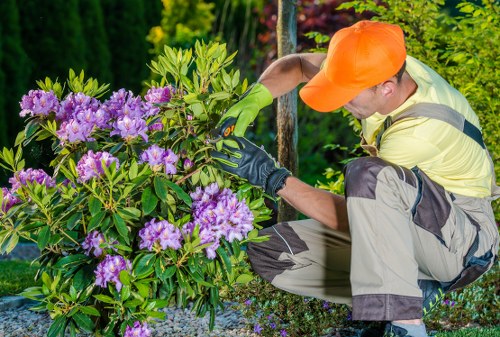
Tree surgery costs are shaped by the work itself: the size of the tree, the level of access, the equipment needed, the amount of waste created and whether the job includes stump treatment or clearance afterwards. A straightforward prune on open ground is not the same as dismantling a tree that stands tight to a fence or property line. The more accurately the task is described, the better the quotation can reflect the real scope.
It is often helpful to decide whether you want the work to be minimal, moderate or more extensive before requesting a price. That does not mean you need technical language; it simply means being clear about the result you want. Pricing and quotes explains how quotation requests are organised, while contact us is the best page to use when you are ready to send an enquiry.
A sensible quotation normally depends on the finish as well as the cut. For example, a job that includes removal of arisings and a tidy final sweep is different from one that stops at the tree itself. If you are comparing options, think about the whole outcome rather than only the visible pruning. That keeps the discussion practical and reduces the chance of needing extra work later.
Garden maintenance around trees
Tree care is often part of a wider maintenance pattern rather than a one-off event. Once the main tree work is complete, surrounding grass, borders and paving can become easier to manage because light, access and reach improve. For many sites, this makes later routine maintenance simpler and more predictable. Our wider garden services may suit customers who want a single point of contact for tree work and ongoing outdoor upkeep.
Garden maintenance covers the routine side of keeping outdoor areas in order, while grass cutting and lawn mowing suit properties where lawn care is part of the plan. Where a tree has left a thin or tired patch of ground, the area may also benefit from lawn turf installation once the space is ready for re-establishment.
We keep the service flexible because not every property needs the same combination of work. A small courtyard, a family garden and a larger frontage may each need a different balance of pruning, clearance and routine care. The useful question is not whether more work could be done, but which tasks actually improve the site now and which should wait for another visit. That keeps the service efficient without making assumptions about your priorities.
About London
London is a large and historically layered city on the River Thames, with a geography shaped by the river, its tributaries and the spread of settlement across former villages that were gradually absorbed into the capital. Roman Londinium began as a trading and administrative centre near the river crossing, and later centuries added medieval streets, Georgian terraces, Victorian civic buildings and modern commercial districts. That mix means the city is rarely read in one style alone; instead, it is encountered through distinct neighbourhoods, each with its own scale, street pattern and architectural character. In the centre, landmarks such as the Tower of London, St Paul’s Cathedral and Westminster Abbey sit within a dense urban fabric, while south and west London include long stretches of residential streets, parks and commons that retain traces of earlier village layouts. The city’s transport network, from the Underground to mainline rail and river crossings, has also shaped how districts developed, linking commercial centres with outer neighbourhoods and allowing very different parts of the capital to function together. Open spaces are another important part of London’s identity, from Hyde Park and Regent’s Park to Hampstead Heath, Greenwich Park and Richmond Park, each offering a different relationship between landscape and city life. The Thames remains a defining feature, not only as a working waterway but as a visual and historic line running through the capital’s centre. Museums, theatres, markets and civic squares add to the cultural texture, while conservation areas and listed buildings preserve older streetscapes alongside newer development. The result is a city where history and change are visibly intertwined in the street plan, the skyline and the everyday use of public space.
Garden landscaping and finishing touches

Once tree surgery has made the main structure of the garden more manageable, finishing work can bring the space together again. That might mean re-shaping the planting layout, improving edges or making room for a cleaner line between lawn, border and path. These are not cosmetic extras alone; they can make the property easier to use and maintain, particularly where previous growth had left awkward corners or blocked movement through the garden.
Our related garden landscaping services are useful when a tree job leads naturally into other changes. Garden landscapers is a helpful page if you want to see how different outdoor tasks can be coordinated, while garden services gives a broader overview of the available work. If you are comparing practical options, this can help you decide whether the tree task should stand alone or be part of a wider refresh.
For a straightforward next step, choose the service that best matches the condition of your tree or garden and make a brief enquiry. If you have already narrowed things down, you can simply request a quotation and describe the work in plain English. That is usually the quickest way to turn an overgrown or uncertain site into a clear plan.